Assisted Living vs. Aging at Home: Advantages That Can Enhance Life
@hectorlhyg112
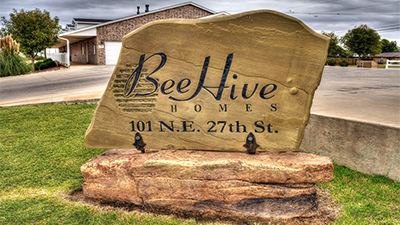
Business Name: BeeHive Homes of Lamesa TX
Address: 101 N 27th St, Lamesa, TX 79331
Phone: (806) 452-5883
BeeHive Homes of Lamesa
Beehive Homes of Lamesa TX assisted living care is ideal for those who value their independence but require help with some of the activities of daily living. Residents enjoy 24-hour support, private bedrooms with baths, medication monitoring, home-cooked meals, housekeeping and laundry services, social activities and outings, and daily physical and mental exercise opportunities. Beehive Homes memory care services accommodates the growing number of seniors affected by memory loss and dementia. Beehive Homes offers respite (short-term) care for your loved one should the need arise. Whether help is needed after a surgery or illness, for vacation coverage, or just a break from the routine, respite care provides you peace of mind for any length of stay.
101 N 27th St, Lamesa, TX 79331
Business Hours
Choosing in between assisted living and aging at home is seldom a simple either-or decision. For lots of family members, it begins as a practical concern, after that promptly turns into something much more individual. Where will mom feel secure when she rises in the evening? How much help does dad actually need with showering, food preparation, or bearing in mind drugs? What occurs if the house itself has entered into the problem, with staircases, unsafe bathtubs, and a mailbox that feels further away every year?
I have actually seen this choice from assisted living lamesa tx both sides, and the tough part is that each option can look perfect from a distance. Aging in your home promises convenience, privacy, and connection. Assisted living deals structure, support, and less daily burdens. The right selection usually depends much less on viewpoint and even more on the details of everyday life. Dishes, drug, transport, solitude, safety, home cleaning, and the sheer quantity of initiative it requires to keep a home running can matter more than individuals expect.
When households look for senior care near me or compare assisted living near me alternatives, they are usually not trying to make a significant life adjustment. They are trying to restore a workable regimen. That is where the actual distinctions reveal up.
What daily life really appears like at home
Aging in your home can be deeply pleasing when the atmosphere still fits the individual. There is a big difference between living in an acquainted area and living in a location that is still manageable. A home that was very easy to navigate at 68 might start to really feel inconvenient at 78 and genuinely dangerous by 84. A step at the front door, a slim shower room entrance, or an utility room in the basement can become small aggravations in the beginning, then day-to-day obstacles.
The ideal thing about aging in the house is apparent. People maintain their own routines, their very own furnishings, and their very own feeling of area. The photos remain on the wall, the next-door neighbor still waves from nearby, and the pet dog maintains sleeping at the foot of the bed. For many older grownups, that connection matters more than almost anything else.
Still, home has actually concealed work. A person needs to grocery store, tidy, drive, coordinate visits, keep in mind which drug store has the prescription prepared, and see to it the refrigerator does not slowly fill up with expired food. Even when an individual is primarily independent, the monitoring of day-to-day live can come to be laborious. I have enjoyed family members ignore this component. They believe the problem is whether their loved one can bath alone, however the larger problem is that the person is investing all their energy just remaining afloat.
That is where assisted living starts to look much less like a last hope and more like a practical upgrade.
What assisted living modifications in the common day
Assisted living is typically misunderstood due to the fact that people envision it just in regards to care. Actually, a lot of its worth comes from removing the friction that makes common life more difficult than it should be. A resident does not have to stress over food preparation every meal, fixing a dripping faucet, or wondering whether someone will certainly see if they miss morning meal. That seems small until you live it every day.
A good assisted living community creates a rhythm. Meals get here on time. Medicine tips are built into the day. House cleaning is managed. Washing is no more a half-finished job sitting in the washer for two days. Transport might be readily available for appointments or getaways. For someone that has actually been drained pipes by the constant logistics of living alone, this can seem like getting a section of life back.
The various other thing family members notification is how much power vanishes when all the background jobs are gotten rid of. One lady I fulfilled, that had invested months declining in your home, informed her daughter that she did not realize how exhausted she was up until she quit needing to make every meal herself. Within a few weeks in assisted living, she was walking more, joining pals for lunch, and sleeping far better since she was not up at 2 a.m. Bothering with whether she had taken her pills.
That is not universal, naturally. Some people never ever settle in, which matters as well. However when assisted living fits, the quality-of-life improvement is commonly instant and visible.
Safety is not a small detail
Safety is usually the point where the conversation materializes. Falls are not abstract stats when they occur to someone you enjoy. A solitary fall can alter the entire trajectory of aging, particularly if recuperation is slow-moving. At home, the danger usually hides in acquainted areas, such as a restroom without grab bars, a dim hallway, or a stairs that seemed safe for decades.
Assisted living is created to decrease that type of risk. Hallways are better lit. Bathrooms are typically adapted. There are employee nearby if aid is required. For someone that has started to end up being unsteady, that support can suggest the difference in between cautious independence and consistent fear.
At home, households typically try to resolve the safety problem one item each time. They add a shower chair, then an elevated commode seat, then a medical sharp button, after that somebody checks in by phone three times a day. Those steps can aid, and in some cases they suffice. However if the individual still feels scared of falling, or has actually currently fallen once or twice, the home might no longer be the most safe location despite how many gadgets obtain installed.
This is one reason numerous individuals begin searching for assisted living near me after a hospital stay or a close phone call. The occasion itself may more than, yet the fear lingers. Safety becomes part of every choice after that.
The social side of care matters more than individuals expect
Loneliness can be as draining pipes as physical constraint. That sounds soft until you see what it does to an individual's day. Individuals who live alone may go with hours without speaking with any individual. They miss dishes, dislike hobbies, and quit going out because it seems like excessive trouble. Gradually, the world obtains smaller.
Assisted living does not magically resolve isolation, yet it usually changes the social climate in a purposeful means. There are people around at dishes, intended activities, shared typical spaces, and a sense that someone will certainly notice if a resident is abnormally peaceful. For some older grownups, that mild social pressure is really a gift. It nudges them back right into life.
Aging at home can additionally be socially rich, but just if there is effort behind it. That normally indicates family members visits, close friends that still drive, neighborhood programs, religious events, clubs, or a solid neighbor network. Without that, home can come to be isolating very quickly.
One of the clearest differences in between the two choices is this: home maintains personal privacy, while assisted living produces integrated contact. For an individual who is naturally social, that get in touch with might enhance state of mind virtually right away. For an individual who values solitude, it might take adjustment. The appropriate fit relies on character as high as health.
Independence looks different in each setting
A lot of families hear the word assisted living and assume it means shedding self-reliance. Sometimes individuals do shed several of the particular freedoms they worth, like deciding to consume at 10 p.m. Or missing lunch totally. However freedom is more comprehensive than control over every information. It likewise includes being able to pick just how to invest your interest and energy.
At home, a person might technically remain independent while quietly investing all day taking care of jobs that sap their toughness. They are independent, yet exhausted. In assisted living, several of those jobs relocate off their plate, which can in fact preserve freedom in an extra meaningful means. They still choose when to visit an activity, what to put on, whether to nap, and exactly how to spend the mid-day. The difference is that they are not bring the entire family alone.
That trade-off matters. An individual that demands aging in your home may be shielding autonomy, however they may additionally be securing a concern. An individual that relocates to assisted living might surrender some control over the form of the day, but gain sufficient sustain to stay energetic and engaged.
This is why wide declarations regarding "far better" or "even worse" misunderstand. The inquiry is not which establishing deals extra liberty theoretically. It is which one allows a person live with much less strain and even more self-respect in practice.
Medical support, reminders, and the grey location in between healthy and balanced and frail
Not every person that requires assistance is medically fragile. That is where choices get complicated. Many older grownups do not require skilled nursing, yet they do need help keeping an eye on medicines, seeing modifications in cravings, reaching consultations, or reacting when movement starts to slip.
Assisted living can be a solid happy medium for people because gray area. Personnel are not changing medical professionals, however they can aid make sure the essentials occur dependably. A missed out on blood pressure tablet or a duplicated medicine error may not appear significant in the moment, however in time it can make home life harder and a lot more dangerous.
At home, households often try to fill up the void with pill organizers, alarms, sticky notes, and phone reminders. Those devices help up until they do not. The concern is not normally intelligence or readiness. It is that aging brings more disturbances, more appointments, and more chance for the routine to crumble. When memory starts to wobble, also a little, consistency comes to be the actual challenge.
If somebody is still handling most of their life but needs a watchful atmosphere, assisted living can supply the right balance. If they need hands-on treatment, frequent transfers, or specialized dementia support, then an additional degree of senior care may be more appropriate. Understanding the difference protects against a lot of broken heart later.
The home individuals envision and the home they really live in
Families often speak about "staying home" as if it means remaining precisely as they are now. That is not typically just how aging jobs. The home itself transforms meaning. Upstairs rooms go unused. The cooking area ends up being harder to stand in. A lawn that as soon as felt enjoyable become a job. An enchanting old residence can become a series of compromises.
That does not imply aging in your home is incorrect. It means the house should be assessed honestly, not passionately. If the individual can live safely there with convenient supports, then home can remain the best place. If every day relies on a growing checklist of accommodations and emergency situation back-up strategies, the equilibrium may have shifted.
I have actually seen households invest thousands on adjustments because they wished to avoid a move. In some cases that cash is well spent. Expanded doorways, walk-in showers, staircase lifts, and much better lights can get years of convenience. Various other times your home still does not fit, regardless of how much is added. In those cases, the psychological add-on is easy to understand, yet it ought to not be perplexed with feasibility.
Cost is genuine, but so is the covert cost of doing every little thing at home
People usually compare assisted living to mortgage or rent and quit there. That misses out on the complete picture. Aging in your home can include paid assistants, dish shipment, transport solutions, home repair work, drug administration devices, and the moment family members invest completing the spaces. Several of those costs are visible. Others are concealed in shed job hours, caregiver stress, and burnout.
Assisted living usually includes a much more bundled regular monthly cost, which can make budgeting easier. The resident gets housing, dishes, assistance, and an integrated framework of services. For some households, that predictability is a significant benefit. They prefer to pay one defined quantity than piece together a jumble of care at home.
Still, price contrasts have to be honest. A fairly independent person can often stay at home extra affordably than they can stay in assisted living, especially if family members aid is readily available. On the various other hand, once the degree of support in your home expands, the numbers can transform swiftly. What begins as a few hours of help every week can become daily support, and that is where the mathematics starts to shock people.
The appropriate strategy is to compare the complete initiative, not just the regular monthly bill.
Respite care and the worth of attempting before deciding
Families in some cases feel pressure to make an irreversible choice right away, yet there is commonly a center path. Respite care can offer every person room to breathe. It can be used after a surgical treatment, when a caretaker requires a break, or merely to test whether a person feels comfy in a senior living environment.
That test period can inform you more than a lengthy discussion ever before will. Does the individual eat much better when dishes are offered to them? Do they appreciate having next-door neighbors close by? Do they seem calmer since the day is more structured? Or do they come to be taken out because the setup really feels unknown and controlling?
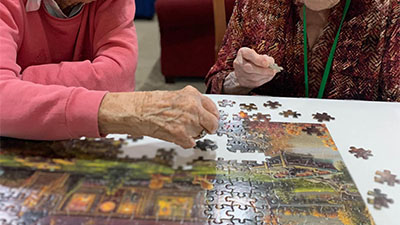
A brief stay can additionally expose what assistance is still truly required in your home. Some individuals find that they do well in assisted living only while they are recouping, after that intend to return home. Others understand they rest better, worry much less, and relocate a lot more once they run out the seclusion of home. Caretakers, meanwhile, typically learn just how much they have been carrying.
Respite care is not just functional. It is typically the initial honest peek of what lasting care looks like.
Choosing based on the person, not the ideal
The best selection rarely originates from a slogan. It comes from looking thoroughly at the actual person before you. Some older grownups flourish on their own since they are disciplined, socially attached, and still physically stable. Others come to be more secure and happier with support around them since every day life has actually become as well requiring to take care of alone.
A few inquiries normally clarify the decision faster than long discussions. Is the individual consuming regularly? Are medicines being taken appropriately? Can they get to the bathroom securely during the night? Are they separated? Are family caretakers exhausted? Does the house still fit the body living in it?
When those answers point towards stress, assisted living frequently enhances life in evident methods. Less tasks, much less fear, more call, much better meals, and extra reputable assistance can produce a noticeable lift in state of mind and energy. When the solutions direct toward stability, aging in your home might stay the far better path, especially if the person highly chooses it and has a practical support system.
For families looking senior living or asking about for senior care near me, the best decision is typically not one of the most significant one. It is the one that recovers a lasting rhythm.
What lifestyle appears like after the decision
The healthiest end results I have seen share a typical thread. The older grownup is not investing everyday supporting versus fundamental tasks. Whether they go to home with support or in assisted living, the environment is assisting them live, not simply endure. They still have preferences, routines, aggravations, and viewpoints, naturally. That never ever adjustments. But their day is not ruled by avoidable stress.
In assisted living, lifestyle commonly boosts with relief. In aging in your home, it enhances via fit, family members assistance, and thoughtful changes. Neither path is ideal. Each includes loss and gain. The goal is not to get rid of compromise, since that is difficult. The goal is to select the type of compromise that leaves sufficient strength for the great components of the day.
That may suggest a cherished house with grab bars, meal assistance, and a going to caregiver. It may imply a bright apartment or condo in a senior living community where meals, aid, and conversation are simply down the hall. It may even mean trying one option, then changing program as demands advance. Older grownups do not have to obtain it ideal for life. They just require a place where the following period of life feels workable, safe, and human.
BeeHive Homes of Lamesa TX provides assisted living care
BeeHive Homes of Lamesa TX provides memory care services
BeeHive Homes of Lamesa TX provides respite care services
BeeHive Homes of Lamesa TX supports assistance with bathing and grooming
BeeHive Homes of Lamesa TX offers private bedrooms with private bathrooms
BeeHive Homes of Lamesa TX provides medication monitoring and documentation
BeeHive Homes of Lamesa TX serves dietitian-approved meals
BeeHive Homes of Lamesa TX provides housekeeping services
BeeHive Homes of Lamesa TX provides laundry services
BeeHive Homes of Lamesa TX offers community dining and social engagement activities
BeeHive Homes of Lamesa TX features life enrichment activities
BeeHive Homes of Lamesa TX supports personal care assistance during meals and daily routines
BeeHive Homes of Lamesa TX promotes frequent physical and mental exercise opportunities
BeeHive Homes of Lamesa TX provides a home-like residential environment
BeeHive Homes of Lamesa TX creates customized care plans as residents’ needs change
BeeHive Homes of Lamesa TX assesses individual resident care needs
BeeHive Homes of Lamesa TX accepts private pay and long-term care insurance
BeeHive Homes of Lamesa TX assists qualified veterans with Aid and Attendance benefits
BeeHive Homes of Lamesa TX encourages meaningful resident-to-staff relationships
BeeHive Homes of Lamesa TX delivers compassionate, attentive senior care focused on dignity and comfort
BeeHive Homes of Lamesa TX has a phone number of (806) 452-5883
BeeHive Homes of Lamesa TX has an address of 101 N 27th St, Lamesa, TX 79331
BeeHive Homes of Lamesa TX has a website https://beehivehomes.com/locations/lamesa/
BeeHive Homes of Lamesa TX has Google Maps listing https://maps.app.goo.gl/ta6AThYBMuuujtqr7
BeeHive Homes of Lamesa TX has Facebook page https://www.facebook.com/BeeHiveHomesLamesa
BeeHive Homes of Lamesa has an YouTube page https://www.youtube.com/@WelcomeHomeBeeHiveHomes
BeeHive Homes of Lamesa TX won Top Assisted Living Homes 2025
BeeHive Homes of Lamesa TX earned Best Customer Service Award 2024
BeeHive Homes of Lamesa TX placed 1st for Senior Living Communities 2025
People Also Ask about BeeHive Homes of Lamesa TX
What is BeeHive Homes of Lamesa Living monthly room rate?
The rate depends on the level of care that is needed. We do an initial evaluation for each potential resident to determine the level of care needed. The monthly rate is based on this evaluation. There are no hidden costs or fees
Can residents stay in BeeHive Homes until the end of their life?
Usually yes. There are exceptions, such as when there are safety issues with the resident, or they need 24 hour skilled nursing services
Do we have a nurse on staff?
No, but each BeeHive Home has a consulting Nurse available 24 – 7. if nursing services are needed, a doctor can order home health to come into the home
What are BeeHive Homes’ visiting hours?
Visiting hours are adjusted to accommodate the families and the resident’s needs… just not too early or too late
Do we have couple’s rooms available?
Yes, each home has rooms designed to accommodate couples. Please ask about the availability of these rooms
Where is BeeHive Homes of Lamesa TX located?
BeeHive Homes of Lamesa is conveniently located at 101 N 27th St, Lamesa, TX 79331. You can easily find directions on Google Maps or call at (806) 452-5883 Monday through Sunday 9:00am to 5:00pm
How can I contact BeeHive Homes of Lamesa TX?
You can contact BeeHive Homes of Lamesa by phone at: (806) 452-5883, visit their website at https://beehivehomes.com/locations/lamesa/, or connect on social media via Facebook or YouTube
Take a drive to K-BOB'S Steakhouse Lamesa. K-BOB'S Steakhouse Lamesa provides classic comfort food that residents in assisted living or memory care can enjoy during senior care and respite care outings.